

Steps Against Homophobia Jack Turners 339 Mile Walk for Change
Seeing my face in an article still feels strange. Sharing something personal with a wider audience is never quite as simple as pressing publish, especially when it touches on football, identity and the years it can take to feel comfortable being fully yourself.
Sports Media LGBT+ recently shared my story and the plans for Steps Against Homophobia, and I’m genuinely grateful for the care they took with it. The article helps explain why this walk matters to me, where the idea came from, and why I want the conversation about homophobia in sport to keep going.
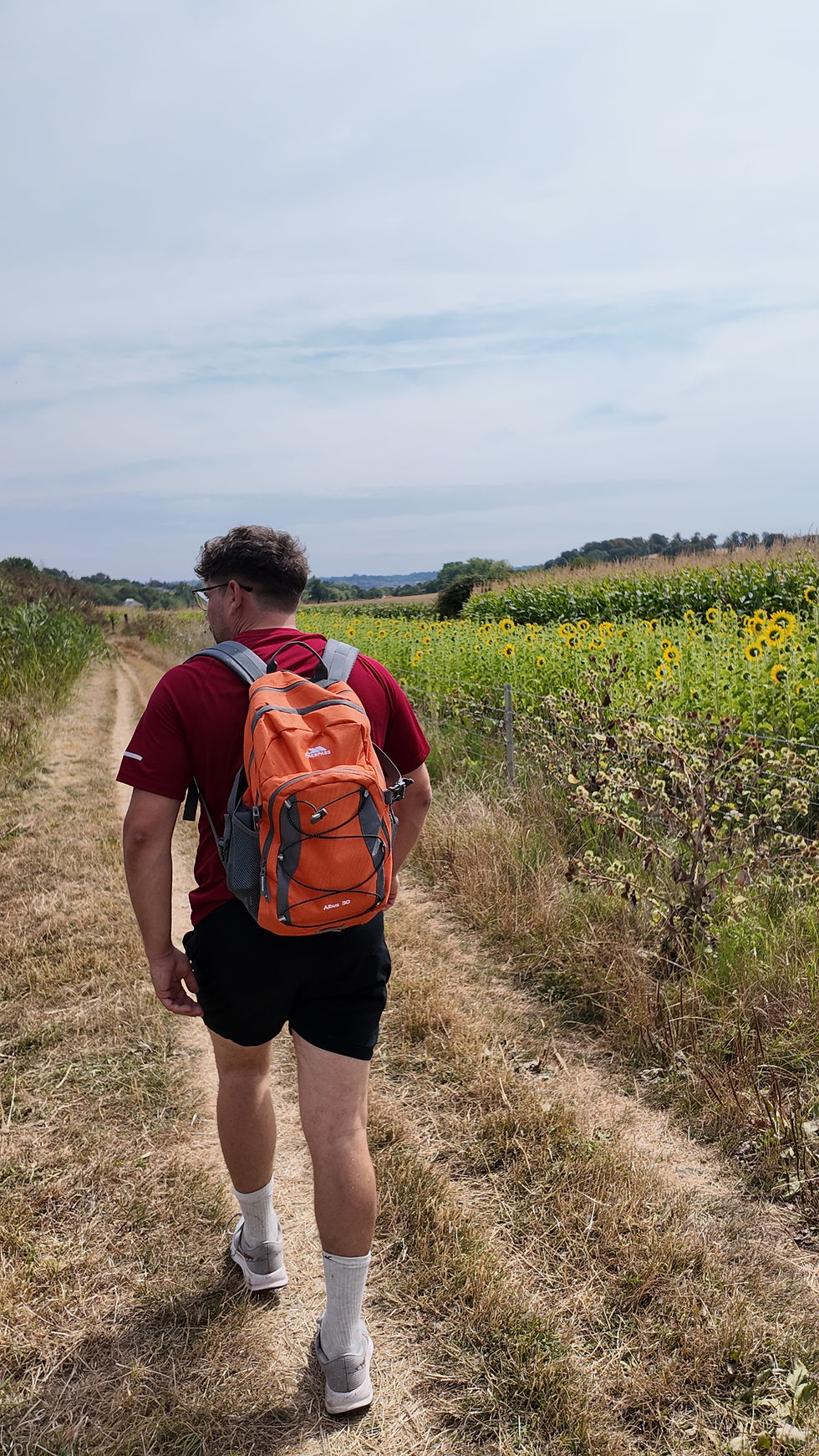
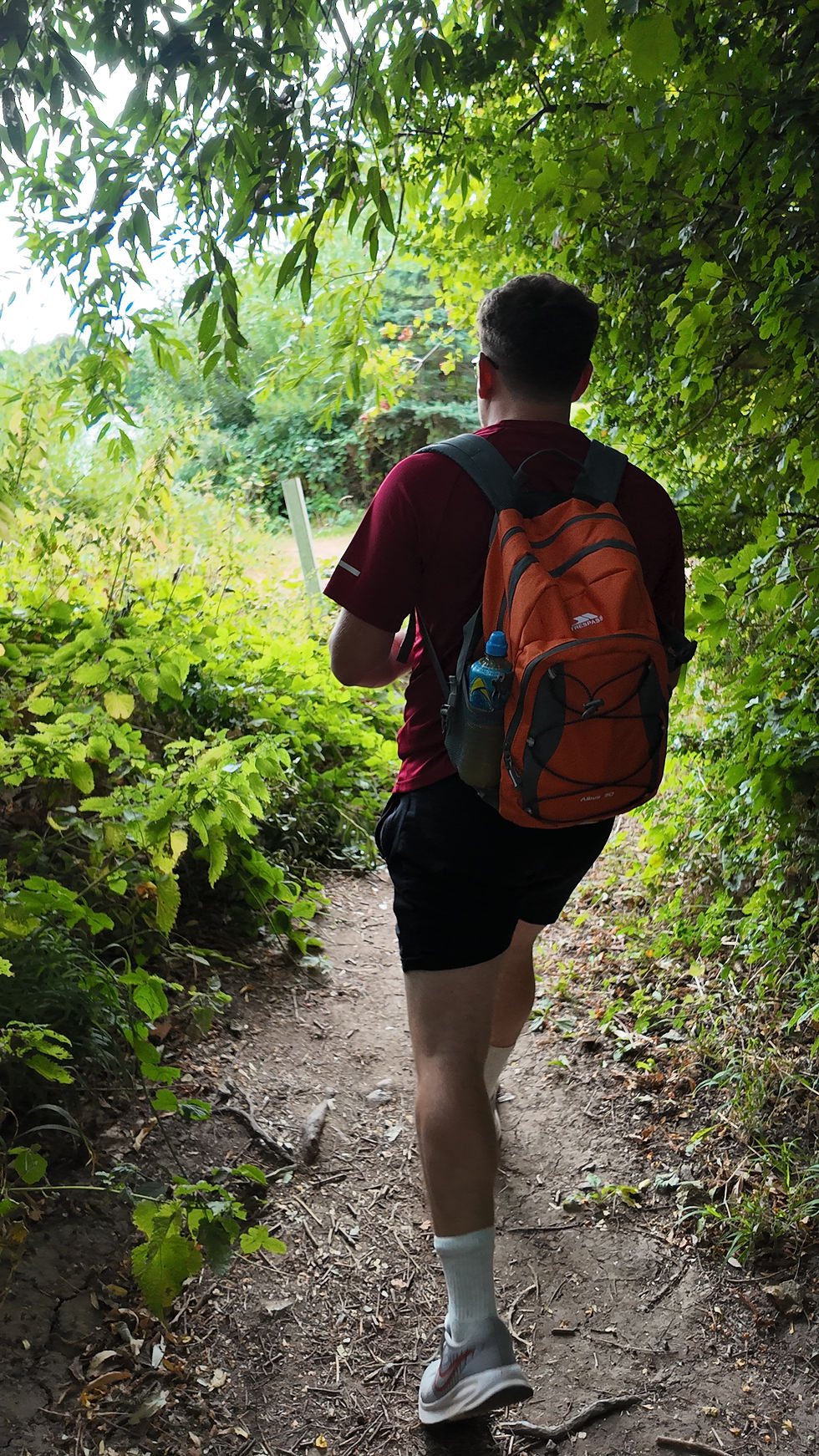
In April 2027, I’ll be walking 339 miles from Axminster to Liverpool over 18 days. I’m hoping people, teams and sports clubs will join me along the way, even if only for a short stretch, to talk, listen and show that football can be a place where everyone belongs.
Why Sports Media LGBT+ sharing the story matters
Sports Media LGBT+ has long helped give space to stories that might otherwise stay hidden or only be told in small circles. For me, their article is not just coverage of a challenge. It is a chance to explain the reason behind it in a way that feels honest.
The piece looks at my relationship with football, growing up with the game and the time it took to feel comfortable being myself within it. That part matters, because sport is often where people first learn about belonging. It can be where friendships form, confidence grows and communities come together.
It can also be a place where casual comments do damage.
Homophobic language in sport is sometimes brushed off as banter. For many LGBTQ+ people, it lands differently. It can make changing rooms feel tense, pitches feel less welcoming and clubs feel like places where you need to hide parts of yourself.
That is why visibility matters. Not because one article fixes everything, but because each story adds another reason for people to think before they speak, check in with teammates and make their clubs safer.
What the 339 mile walk is about
Steps Against Homophobia is built around a simple idea: keep the conversation moving.
Walking from Axminster to Liverpool over 18 days is a physical challenge, but the purpose is bigger than the distance. The route is a way to connect with people through sport, community and conversation.
I want people to feel able to join for parts of the walk, whether that means:
Walking a few miles
Meeting for a chat
Sharing their own experience
Getting a club involved
Helping spread the message locally
The distance, 339 miles, gives the campaign a clear shape. The reason behind it gives it meaning.
The walk is about showing that conversations around homophobia in sport should not be rare, awkward or saved for one awareness day. They should be part of how clubs look after people.

Football has shaped this story
Football has been part of my life for a long time. Like many people, I grew up around the game. It was familiar, exciting and emotional. It offered routine, identity and a sense of connection.
But feeling at home in football is not always straightforward when you are also trying to work out who you are.
The Sports Media LGBT+ article gave me space to talk about how long it took to feel comfortable being myself in the game. That is still something many LGBTQ+ players, coaches, officials and supporters will recognise.
Sometimes the hardest part is not one big moment. It is the small build-up of comments, assumptions and silences. It is not knowing how people will react. It is weighing up whether honesty will change how others see you.
That is why positive environments matter so much. One supportive teammate can make a difference. One club that sets the right tone can change someone’s experience. One conversation can make the next one easier.
What joining AC Moose has meant
Joining AC Moose has been an important part of my journey. Being around a team where I could feel comfortable, accepted and part of something has meant a lot.
Inclusive clubs do not just provide a place to play. They show what sport can look like when people are allowed to turn up as themselves. That can have a lasting effect, especially for anyone who has previously felt out of place in football.
For me, AC Moose represents more than a team name. It represents the feeling of not having to edit yourself before training or a match. It shows how much difference a supportive sporting environment can make.
Why this conversation still needs space
A lot has changed in sport, but homophobia has not disappeared. Some clubs have made real progress. Some people are more willing to challenge harmful language. More LGBTQ+ athletes and supporters are being heard.
Still, many people continue to stay quiet because they worry about judgement, rejection or abuse. That should tell us the work is not finished.
The aim of Steps Against Homophobia is not to point fingers at individuals. It is to invite people into a better conversation. Clubs can start with simple things:
Make it clear that homophobic language is not acceptable
Support LGBTQ+ players, coaches, officials and fans openly
Listen when someone shares an experience
Treat inclusion as part of club culture, not an optional extra
Create space for education without making people feel exposed
These steps are not complicated. They do require consistency.
How people can get involved
As April 2027 gets closer, I’ll be sharing more about the walk, the route and ways people can take part. The hope is that clubs and individuals will join sections between Axminster and Liverpool, help raise awareness and keep the message visible.
You do not need to walk all 339 miles to be part of it. A short stretch, a shared post, a club conversation or a message of support can all help.
If the walk encourages even one person to feel less alone in sport, it will be worth it.
I’m grateful to Sports Media LGBT+ for taking the time to speak with me and share the story with such care. I’m also grateful to everyone who has shared the article so far. It means more than you might realise.
If you’d like to understand more about why I’m doing this walk, you can read the Sports Media LGBT+ article here.
This is a long walk, but the message is simple: football should be a place where people can belong without hiding who they are.


Comments